
How to Stand Up for Others Without Losing Your Humanity
Standing against injustice requires fairness, clear motives, and respect for human dignity. We can protect others and hold people accountable without turning cruelty into an objective.
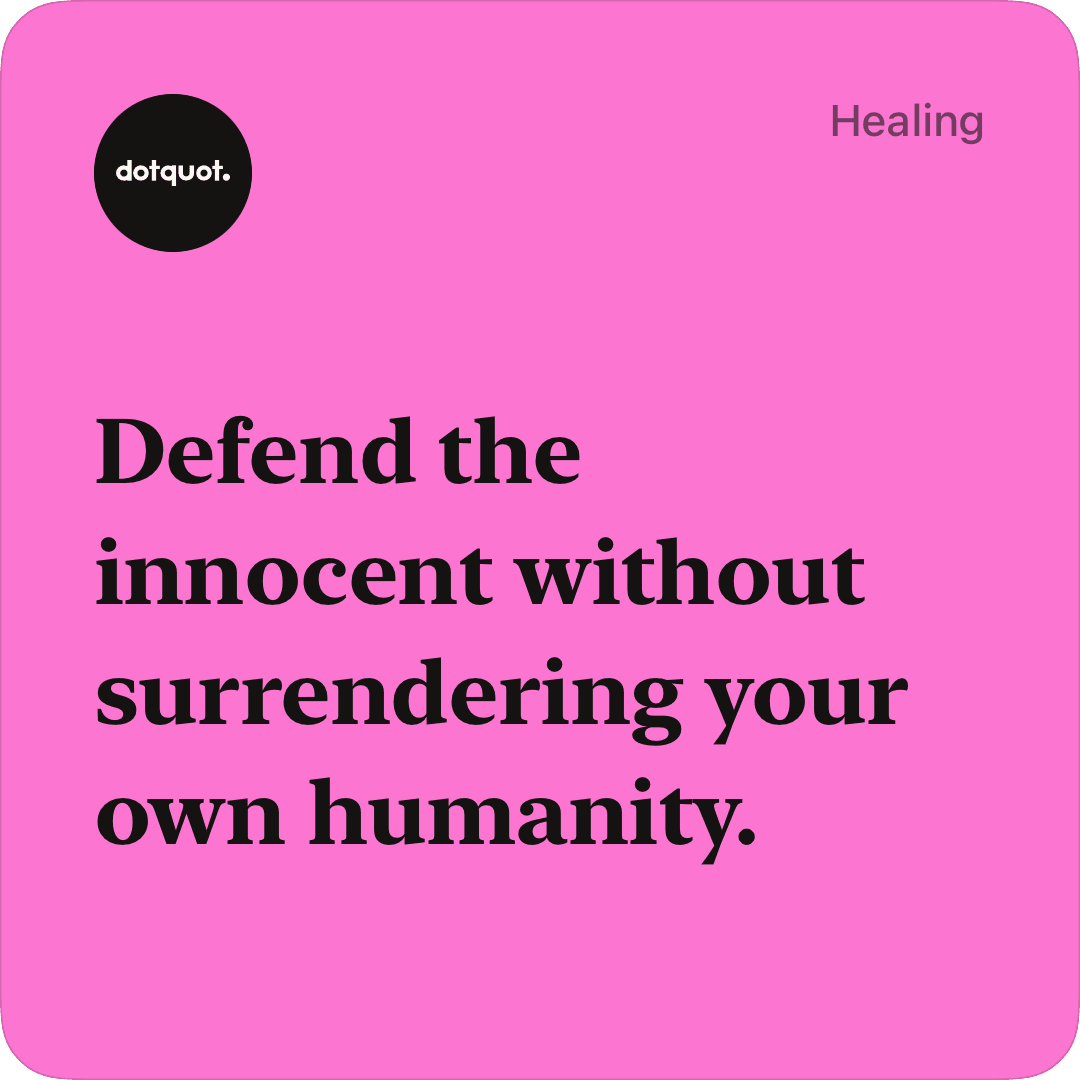
When we see someone being treated unfairly, it's natural to want to do something about it. We want to protect people who are being harmed and hold those responsible accountable. Sometimes that requires taking a firm stand, even when doing so is uncomfortable or comes at a personal cost. But there's a danger in allowing our anger toward wrongdoing to influence how we respond to it.
One of the difficulties with fighting injustice is that we can begin to justify behavior we would normally consider wrong. We tell ourselves that the people responsible deserve whatever happens to them. We become less concerned with fairness and more interested in punishment. And sometimes we end up behaving in ways that aren't much better than the behavior we're trying to stop.
Think about how people respond when someone is publicly accused of doing something terrible. Before all the facts are known, there can be demands for punishment, public humiliation, or retaliation. Some accusations turn out to be justified. Others don't. But once people become emotionally invested in seeing someone punished, they aren't always interested in discovering the truth.
This is why justice requires more than good intentions. We need to distinguish between what we know and what we believe. We need to consider the rights of everyone involved, including people accused of wrongdoing. Protecting innocent people shouldn't require abandoning the principles that make their protection important in the first place.
Compassion can become difficult when dealing with people who have caused harm. It's much easier to feel sympathy for someone who's suffering than for someone responsible for another person's suffering. But recognizing another person's humanity doesn't mean excusing their actions. We can hold people accountable, prevent them from causing further harm, and still believe they deserve to be treated with basic human dignity.
There's also a difference between justice and revenge. Justice is concerned with correcting wrongs, protecting people, and preventing further harm. Revenge is often concerned with making someone suffer because they've caused suffering. Those objectives can sometimes appear similar, but they aren't the same. And confusing them can lead to unnecessary damage.
Of course, there are situations where protecting others requires forceful action. Being compassionate doesn't mean remaining passive when someone is in danger. Sometimes we have to intervene, establish consequences, or prevent someone from continuing harmful behavior. The important thing is to use the means necessary to protect people without allowing cruelty to become an objective of its own.
We should also be careful about assuming that everyone who disagrees with our methods is indifferent to the problem. Two people can care deeply about the same injustice while having different ideas about how to address it. If we become unwilling to consider other approaches, we might overlook a solution that could help more people.
One useful question to ask when confronting wrongdoing is what we're actually trying to accomplish. Do we want to protect someone? Prevent the same thing from happening again? Correct a loss? Or have we become more interested in seeing someone punished?
Our motives matter because they influence the decisions we make. Anger can alert us to something that needs attention, but it isn't always a reliable guide for deciding what should happen next.
The world has enough cruelty without us adding more of it in the name of doing good. We won't always be able to prevent injustice, and even our best efforts won't always produce fair outcomes. But we can be thoughtful about how we respond.
Defend people who need defending. Stand against behavior that causes unnecessary suffering. Hold people accountable when it's appropriate.
But don't allow your opposition to cruelty to make you comfortable with practicing it yourself.