
Why Patience Is an Act of Kindness
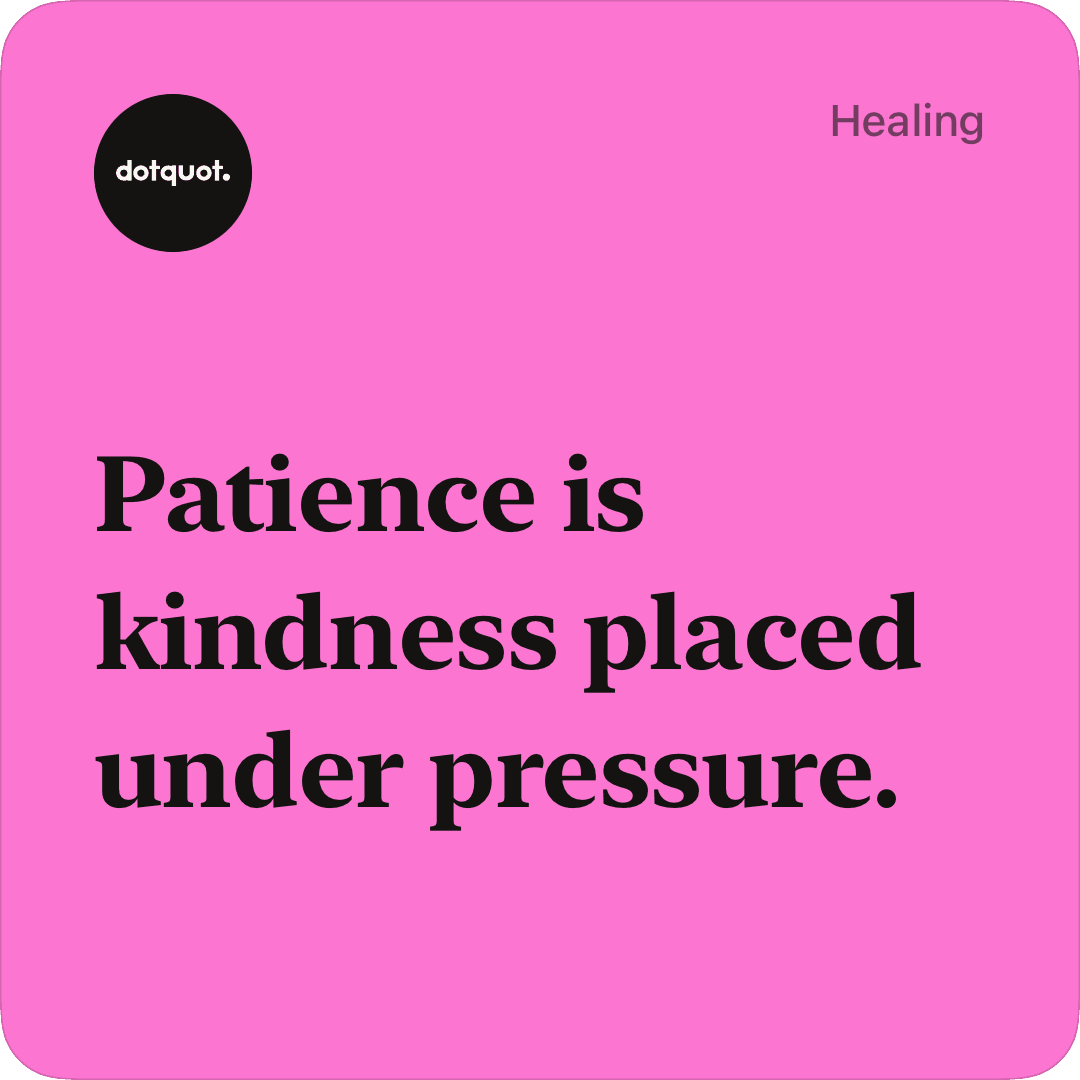
Patience is kindness under pressure. It asks us to understand other people's limitations, manage our own frustration, and avoid making difficult moments worse.
It's easy to be kind when things are going the way we want them to. When people agree with us, treat us well, and don't make unreasonable demands, being patient doesn't require much effort. But life isn't always that agreeable. People will disappoint us, circumstances will frustrate us, and things won't always happen when or how we want them to.
We expect more from others than we notice
One of the difficulties with patience is that we tend to underestimate how much we expect from other people. We want them to understand us, respect our time, and behave in ways that make our lives easier. But other people have their own problems, limitations, and expectations. They're not always going to see things the way we do.
Impatience rarely helps someone move faster
Think about how easily we become irritated with someone who's taking too long to do something. Maybe they're learning something new, struggling with a problem, or simply having a bad day. We might know a better way to handle the situation, but that doesn't mean they do. And becoming impatient with them probably won't make things better.
Kindness can include firm boundaries
Patience doesn't mean allowing people to take advantage of you or accepting behavior that's genuinely harmful. There are times when you need to speak up, establish boundaries, or remove yourself from a situation. But you can do those things without being unnecessarily harsh. Being firm and being kind aren't opposites.
We need the understanding we are asked to give
We also need to remember that we're not as patient or reasonable as we like to think we are. We make mistakes, misunderstand people, and sometimes take our frustrations out on others. We want people to be understanding when we fall short. It makes sense to extend some of that understanding to them.
Familiarity is not permission for carelessness
This is especially important in our closest relationships. The people we spend the most time with are often the ones who experience the worst of our impatience. We become comfortable enough to express frustrations we might otherwise keep to ourselves. But familiarity shouldn't become an excuse for treating people poorly.
Understand what is beneath the irritation
Learning to be patient requires self-awareness. When you feel yourself becoming irritated, try to understand what's actually bothering you. Is the situation really that bad? Are your expectations reasonable? Or are you allowing an unpleasant moment to influence how you treat someone who doesn't deserve it?
Notice impatience before it becomes harm
Of course, you'll still lose your patience sometimes. Nobody maintains perfect self-control. But you can become better at recognizing those moments before they turn into unnecessary arguments or hurt feelings.
Kindness also lives in restraint
Kindness isn't only about doing nice things for people. Sometimes it's about the things you choose not to do. Not raising your voice. Not making an unkind remark. Not allowing your frustration to become someone else's problem.
Do not add difficulty to a difficult moment
Being patient won't always change the situation. But it can prevent you from making a difficult situation worse, both for yourself and for the people around you.