
How to Manage Anger Without Letting It Control You
Anger can affect our judgment and escalate conflict. Self-awareness and emotional restraint help us respond responsibly without ignoring genuine problems.
Anger is a natural part of being human. We get angry when people treat us unfairly, when things don't go the way we expected, or when something important to us is threatened. Sometimes our anger is justified. Other times it's based on misunderstandings or expectations that aren't reasonable. Either way, feeling angry doesn't automatically mean we're right about the situation.
One of the problems with anger is that it changes how we see things. When we're upset, we tend to focus on everything that's wrong. We replay what someone said, imagine what they meant, and sometimes convince ourselves that their intentions were worse than they actually were. The more we think about it, the angrier we become. We're no longer responding only to what happened. We're responding to the story we're telling ourselves about it.
Think about how easily a minor disagreement can become a major argument. Someone says something we don't like. We respond harshly. They become defensive and respond with anger of their own. Before long, both people are saying things they probably wouldn't have said if they'd remained calm. The original problem might have been relatively small, but the damage to the relationship can be much greater.
This is why emotional self-control matters. We can't always prevent ourselves from becoming angry, but we can learn to recognize when our emotions are influencing our judgment. We don't have to express everything we're feeling. Sometimes it's better to remain quiet, step away for awhile, or wait until we're able to think more clearly.
Of course, controlling anger doesn't mean ignoring injustice or allowing people to mistreat us. There are situations where we need to speak up, defend ourselves, or hold someone accountable. But we should be clear about what we're trying to accomplish. Is our objective to solve the problem, or to make the other person feel as bad as we do?
Anger can be useful when it motivates us to make necessary changes. But it becomes destructive when we use it to punish people, defend our pride, or justify behavior we wouldn't otherwise consider acceptable. Having a good reason to be upset doesn't make every reaction reasonable.
We also need to recognize that managing anger is an ongoing process. Nobody remains calm all the time. We'll sometimes overreact, misunderstand situations, and say things we regret. When that happens, acknowledge the mistake and try to do better. Don't make excuses merely because you were angry.
One useful habit is to examine your anger after you've calmed down. What actually caused it? Was your reaction proportionate to what happened? And did the way you responded make the situation better or worse? These questions can help you recognize patterns in your behavior that you might otherwise overlook.
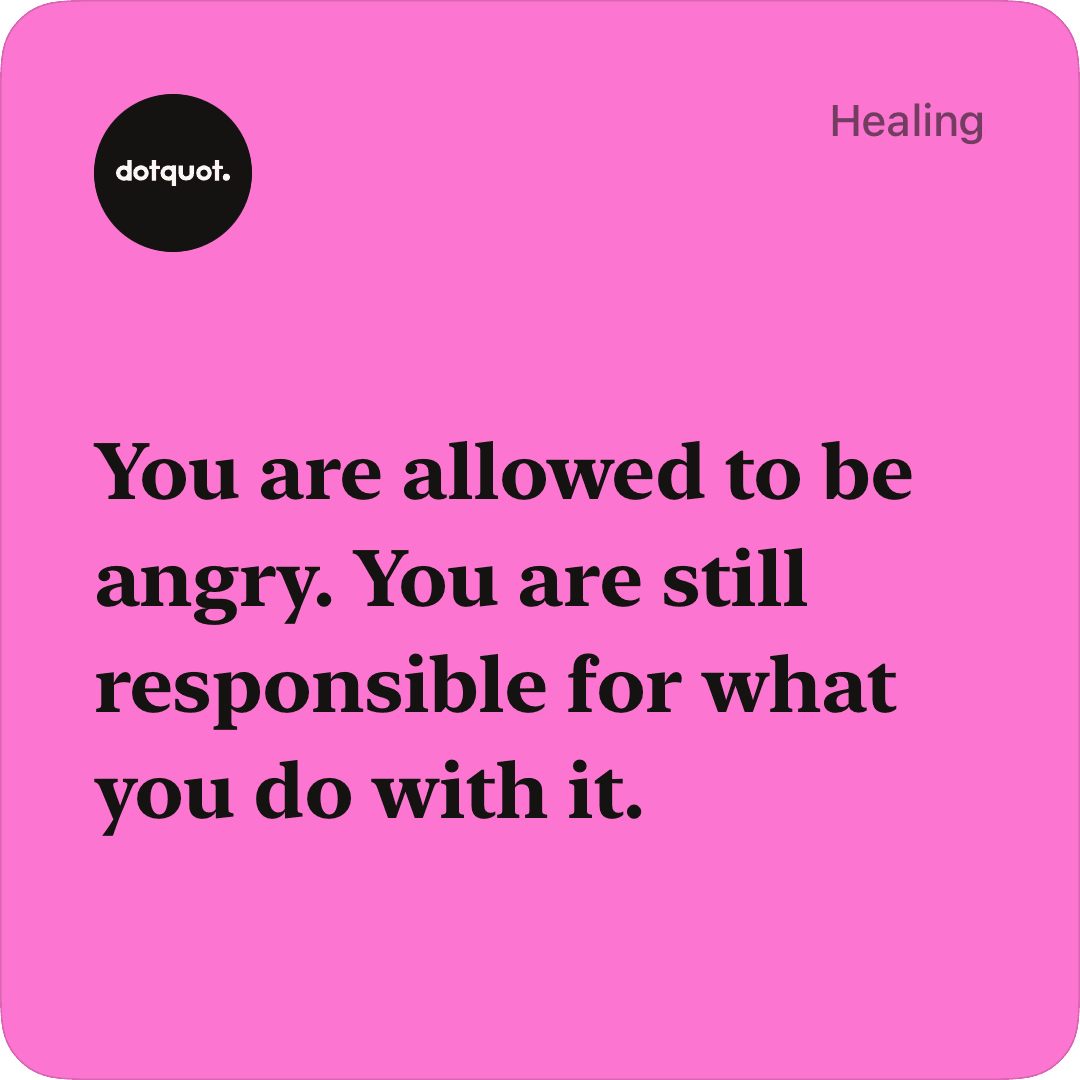
You don't need to feel guilty simply because something made you angry. But you should take responsibility for how you express that anger. Other people may be responsible for what they do to you. You're still responsible for what you do in response.
Being angry is sometimes unavoidable. Making things worse because you're angry is something you can work on preventing.