
Why Believing in God Doesn't Automatically Make You a Better Person
Faith can guide personal growth, but character is reflected in kindness, honesty, humility, and taking responsibility for how we treat others.
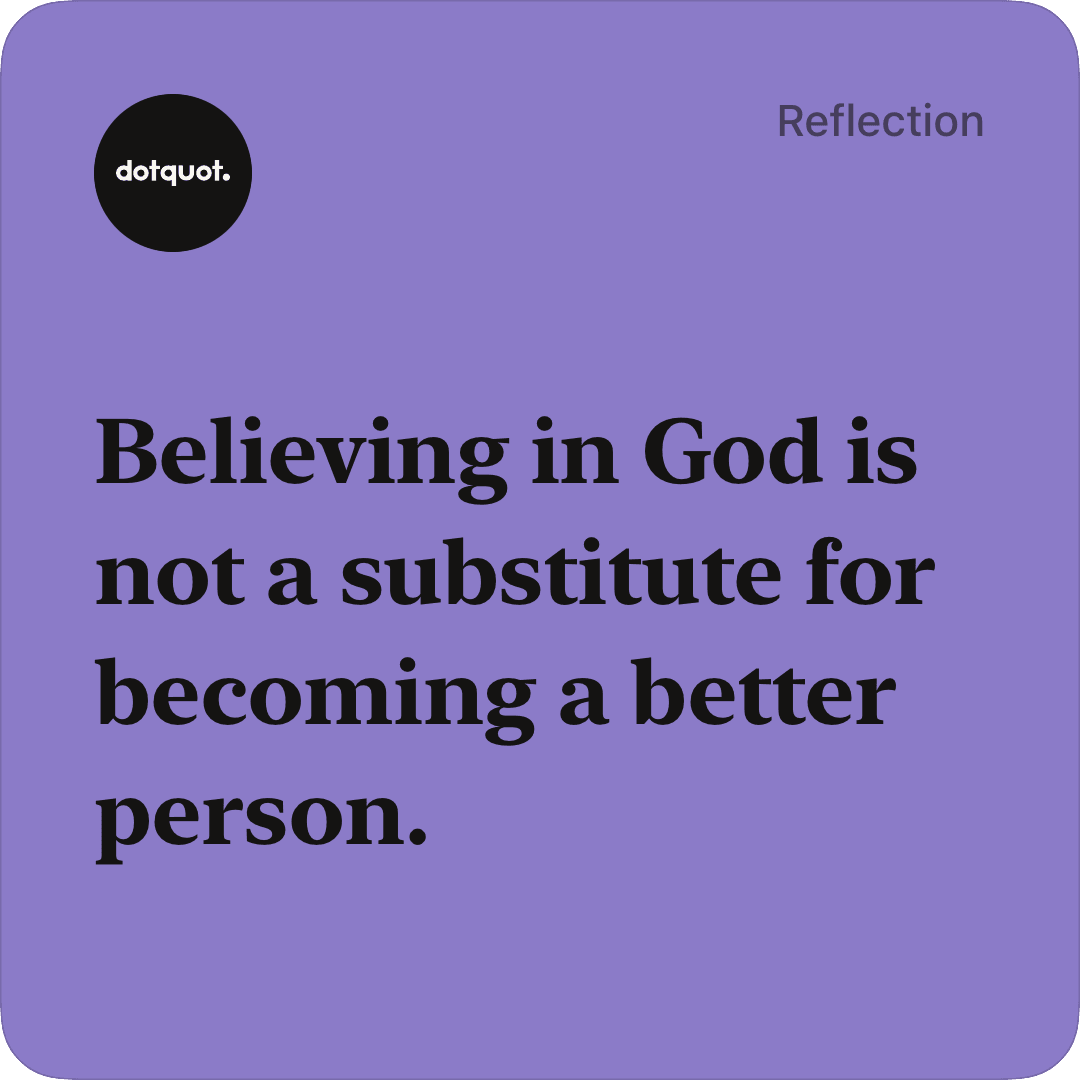
Believing in God can give people a sense of purpose, comfort, and direction. For many, faith is an important part of life. But believing in something good doesn't necessarily make us good. What matters is how those beliefs influence the way we think, behave, and treat other people.
One of the problems with religious belief is that we can become more concerned with being faithful than with being good. We might spend considerable time praying, attending religious services, or defending our beliefs while neglecting some of the most basic responsibilities we have toward others. None of those religious activities are necessarily bad. But they shouldn't become substitutes for kindness, honesty, humility, and personal responsibility.
Think about how easily we judge people who don't share our beliefs. We sometimes assume that being religious makes someone more moral, or that someone who doesn't believe in God must be missing something important. But a person's character isn't determined simply by what they believe. There are good people who believe in God and good people who don't. And there are people in both groups who behave badly.
Becoming a better person requires more than following a set of religious rules. We need to examine our motives, acknowledge our mistakes, and recognize the ways our behavior affects others. We need to become less selfish, less judgmental, and more willing to help people who need us. These are things we can work on regardless of our religious beliefs.
Of course, religion can encourage personal growth. Many religious teachings emphasize compassion, forgiveness, generosity, and self-discipline. These are worthwhile principles. But knowing what is right and doing what is right are two different things. We can understand an important moral lesson without actually putting it into practice.
There's also a danger in believing that our faith makes us morally superior to other people. When we become too confident in our own goodness, we're less likely to recognize our shortcomings. We begin focusing on what's wrong with everyone else instead of examining ourselves. That's not humility. And it doesn't make us better people.
We should also be careful about judging someone's entire character based on a few actions. Nobody behaves perfectly. We all have weaknesses, and even people with good intentions sometimes cause harm. The important thing is whether we're willing to recognize those failures and make the necessary corrections.
If you believe in God, consider what that belief is doing for you and the people around you. Is it making you more compassionate? More honest? More patient with people who disappoint you? Is it helping you become a better person, or merely making you feel that you already are one?
Faith can be a powerful influence in someone's life. But its value shouldn't be measured only by how strongly a person believes. It should also be reflected in how that person lives.
Believing in goodness isn't the same as practicing it. Whatever your beliefs, there's always room to become a little less ignorant, a little less selfish, and a little more helpful to the people around you.