
Why Reality Is Bigger Than Our Understanding of It
Our view of reality is built from limited information, personal experience, and assumptions. Humility helps us keep learning and correct what we misunderstand.
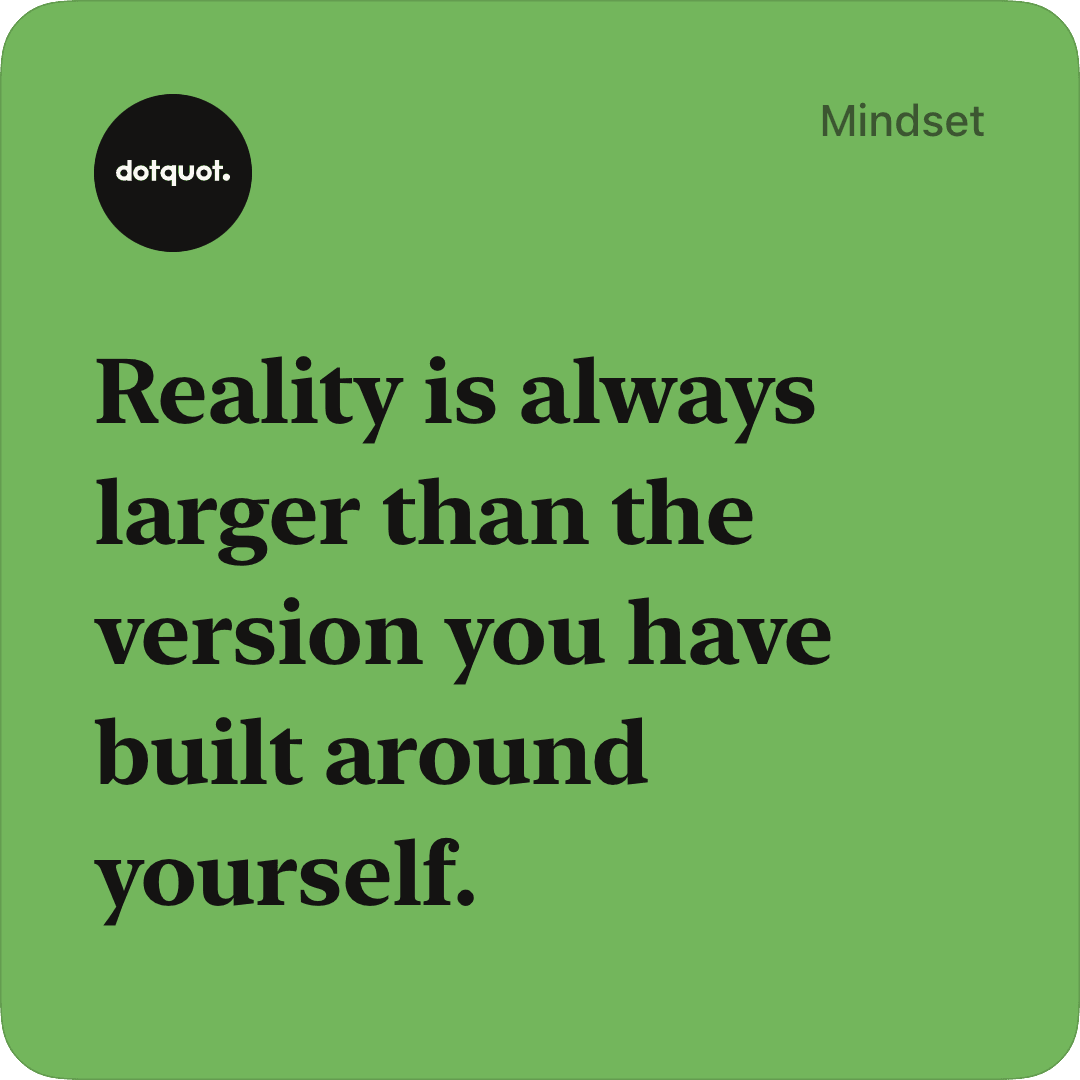
We like to believe that we understand the world around us. We have explanations for why things happen, why people behave the way they do, and what we should expect from the future. But much of what we believe is based on limited information. We create a picture of reality using what we know, what we've experienced, and what we imagine to be true. The problem is that the picture is never complete.
We see different parts of the same reality
Our perception is influenced by our beliefs, emotions, and past experiences. Two people can witness the same event and come away with very different interpretations. Neither person is necessarily being dishonest. They're simply seeing different parts of the same reality. And both might be overlooking something important.
One of the biggest obstacles to understanding reality is our tendency to look for information that supports what we already believe. We pay attention to things that confirm our opinions and sometimes ignore things that challenge them. This is known as confirmation bias. It's a problem we all have, including those of us who think we're particularly objective.
The stories we create about people
Think about how we form opinions of other people. We observe a few things they say or do, and from those observations we create an idea of who they are. After awhile, we begin treating that idea as though it's the whole person. But people are far more complicated than our understanding of them. There are experiences, motives, fears, and circumstances we know nothing about.
The same is true of our understanding of ourselves. We have stories about who we are, what we're capable of, and why we've made certain decisions. Some of those stories are accurate. Others are explanations we've created to make ourselves feel better or to avoid facing something uncomfortable. Being honest with ourselves requires a willingness to question those stories.
Make judgments with humility
This doesn't mean we should doubt everything or become incapable of making decisions. We have to make judgments based on the information available to us. But we should be humble about how much we actually know. There will always be missing information, and some of it might completely change our understanding of a situation.
One useful habit is to occasionally consider what you might be overlooking. Are you seeing things as they are, or as you want them to be? Have you considered explanations that don't support your current beliefs? And how much of what you're certain about is actually based on assumptions?
Keep improving how you understand
We also need to recognize that learning isn't merely about accumulating more information. It's about improving how we interpret the information we already have. Sometimes the most important thing we can learn is that something we believed for years wasn't quite right.
Reality doesn't have to conform to our expectations. It continues to exist regardless of how we interpret it. Our responsibility is to keep learning, make corrections when necessary, and avoid becoming too attached to our own explanations.
Don't mistake your understanding of the world for the world itself. There's always more to know, more to consider, and more to discover than you currently realize.