
Why Being Flexible With Your Plans Is Important
Plans provide direction, but new experiences can change our priorities. Thoughtful flexibility helps us reassess goals while honoring the commitments that matter.
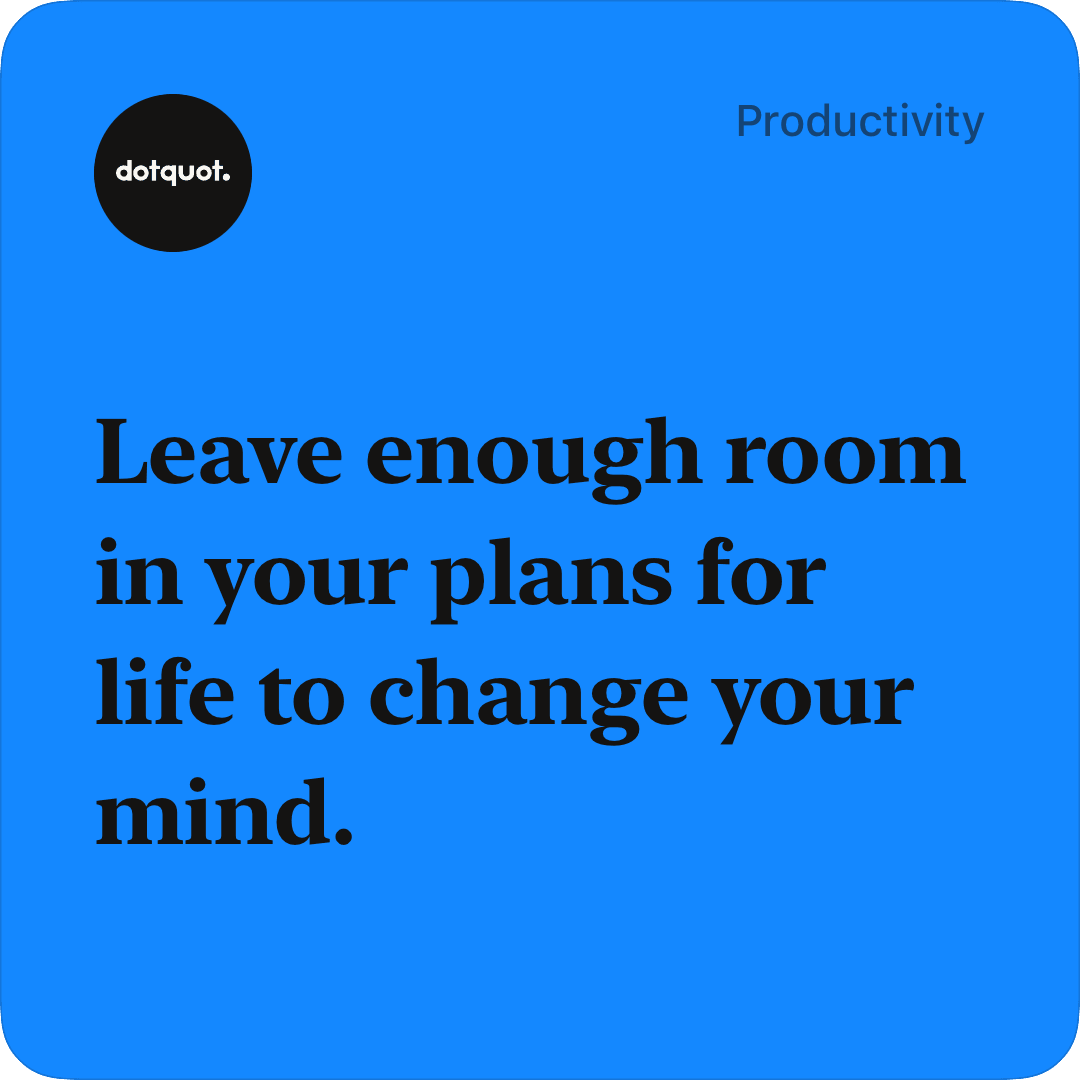
We like to make plans because they give us a sense of direction. We imagine what we want our lives to look like, decide what needs to be done, and try to organize our time accordingly. There's nothing wrong with that. But we should remember that our plans are based on what we know today, and what we know today is never the whole picture.
One of the problems with planning is that we tend to overestimate our ability to predict the future. We imagine how circumstances will unfold, how people will behave, and what we'll want when we get there. But there will always be things we didn't anticipate. Some of those surprises will be unpleasant. Others might turn out to be better than anything we originally planned.
Think about how often our interests and priorities change. Something that seemed important five years ago might not matter much today. We learn new things, meet different people, and discover opportunities we didn't know existed. If we're too attached to an old plan, we might overlook something that's better suited to the person we've become.
Being flexible doesn't mean living without direction or constantly changing your mind. Some goals require years of consistent effort, and abandoning them whenever something new catches your attention can prevent you from accomplishing anything worthwhile. But there's a difference between being disciplined and being unwilling to reconsider your decisions.
Sometimes we continue pursuing something because we've already invested considerable time, money, or effort into it. We don't want to feel that those resources were wasted. But what we've spent in the past shouldn't automatically determine what we do next. The more important question is whether continuing still makes sense.
It's also worth remembering that we aren't always good at knowing what will make us happy. We imagine an ideal future and begin arranging our lives around it. But the reality might be different from what we expected. Sometimes getting what we wanted teaches us that we wanted the wrong thing.
This is why it's important to reassess your plans occasionally. Are your goals still worth pursuing? Have you learned something that changes your understanding of the situation? Are there opportunities you might be missing because you're too focused on following the original plan?
Of course, some commitments can't easily be changed. We have responsibilities to other people, and some decisions have consequences that last for years. Flexibility doesn't mean ignoring those obligations. It means being thoughtful about what can be adjusted and what needs to remain consistent.
A useful approach is to have a general direction without trying to control every detail. Know what's important to you, make sensible decisions, and prepare for things that might go wrong. But leave enough room for unexpected opportunities and changes in perspective.
Life will change your circumstances whether you want it to or not. And if you keep learning, it should change some of your beliefs and priorities too. That's not necessarily a problem. Sometimes changing your mind is evidence that you're becoming wiser.
Make plans, but don't become a prisoner of them. The future might have something better to offer than the version you've already imagined.